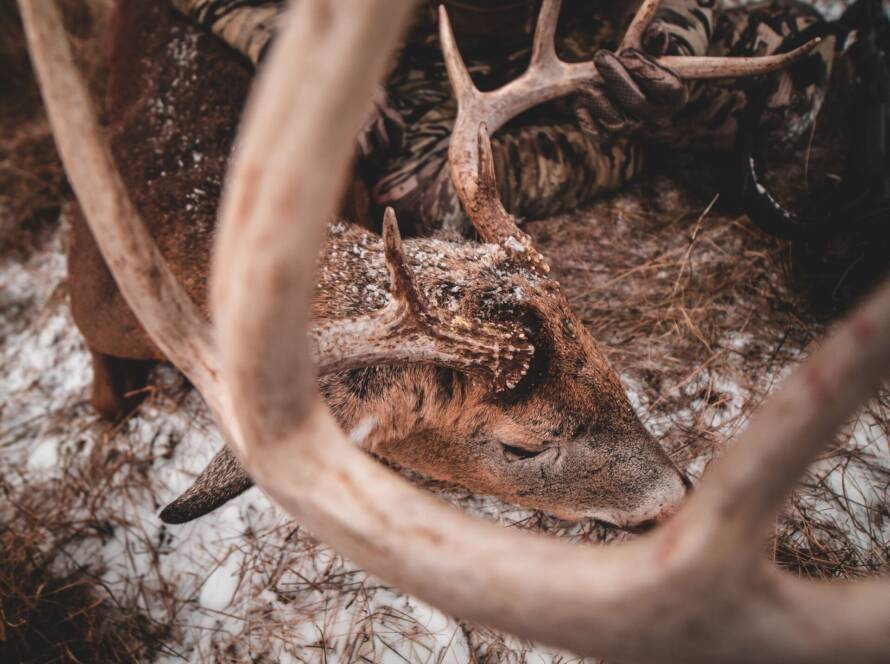


Whether you are tracking a Markhor across the rocky ridges of Chitral, following an Ibex trail high in the Karakoram, or pursuing waterfowl through the wetlands of Punjab, animal tracking is one of the most essential and rewarding skills a hunter in Pakistan can develop. The best firearm, the sharpest scope, and the finest ammunition mean very little if you cannot locate your quarry in the first place.
At Camp & Caliber Gears Co, Peshawar’s premier importer of premium firearms and hunting gear, we believe that a great hunter is first and foremost a great tracker. In this guide we cover everything you need to know about how to track animals while hunting — from reading footprints to using modern technology in the field.
What Is Animal Tracking?
Tracking in hunting is the science and art of observing animal tracks and other signs, with the goal of gaining understanding of the landscape and the animal being tracked. Trackers must be able to recognize and follow animals through their tracks, signs, and trails — also known as spoor. Spoor may include tracks, scat, feathers, kills, scratching posts, trails, drag marks, sounds, scents, feeding signs, the behavior of other animals, and any other clues about the identity and whereabouts of the quarry.
In short, tracking is about reading the story the land tells you. Every footprint, bent twig, and pile of droppings is a clue. The skilled tracker pieces these clues together to locate game, predict its next movement, and close the distance for a clean ethical shot.
Why Tracking Skills Matter for Hunters in Pakistan
Pakistan’s diverse terrain — from the high-altitude mountains of KPK and Gilgit-Baltistan to the scrubland of Balochistan and the plains of Punjab — demands that hunters adapt their tracking skills to very different environments. Developing solid tracking skills is a fundamental part of becoming a more effective hunter. It is about learning to read the story the ground tells, interpreting clues left behind by game, and using that information to anticipate an animal’s movements. Good tracking skills can make the difference between going home empty-handed and a successful harvest.
Step 1 – Learn to Read Animal Tracks
The foundation of all tracking begins with understanding footprints. Every track tells a story. A sharp-edged hoofprint in damp soil might mean the animal passed minutes ago, while a blurred one indicates it has been hours. Study the depth and spacing of prints — deep impressions suggest a heavier animal moving slowly, while shallow spread-out tracks hint at a lighter, faster pace.
Fresh tracks have sharp edges and undisturbed soil while older ones appear weathered or faded. Learning to judge the age of a track is one of the most important skills in the field.
For hunters in Pakistan, here are some common tracks to learn:
Markhor & Ibex – Large cloven hoofprints with pointed tips, often found in steep rocky terrain. Stride length increases sharply on slopes.
Urial – Smaller cloven hoofprints found in open grassland and hillsides across Punjab and Balochistan.
Wild Boar – Wide rounded hoofprints with visible dewclaw marks on soft ground. Often found near water sources and agricultural land.
Chinkara Gazelle – Small delicate hoofprints found in sandy and scrubland terrain of Sindh and Balochistan.
Waterfowl – Webbed footprints in mud near rivers, lakes, and wetlands across Pakistan.
Familiarize yourself with common tracks in your area to make identification easier. Observe gait patterns to determine the animal’s movement. Measure the distance between tracks (stride) and the width between tracks on the same side (straddle) — these measurements help identify the animal and determine its speed and movement.
Step 2 – Look Beyond Footprints — Reading All the Signs
Experienced trackers know that footprints are only one piece of the puzzle. Beyond footprints, look for droppings, fur caught on bark, and disturbed vegetation. Fresh scat that is moist and warm signals recent movement. Flattened grass or bent twigs often mark bedding or feeding areas.
Other signs to watch for in Pakistan’s terrain include:
Feeding Signs – Browsed or stripped vegetation, dug-up ground, and half-eaten plants indicate active feeding areas. Ibex and Markhor often browse on specific alpine shrubs, so learning what these animals eat helps you identify their feeding grounds.
Rubs and Scrapes – Male animals such as Urial and Ibex rub their horns against rocks and trees, leaving visible scratches and hair. These signs are common during the rut season.
Bedding Areas – Flattened patches of grass or hollowed-out depressions in rocky areas where animals rest during midday hours.
Water Sources – In Pakistan’s dry mountain terrain and desert regions, water sources are magnets for game. Map an area to display trails, feeding areas, bedding areas, dens, water sources, and any other important markers you can find. Animals will visit water sources at predictable times, especially in Balochistan and Sindh.
Scat (Droppings) – Fresh droppings are moist and dark. Older droppings are dry and faded. The size and shape of scat helps identify the species and gives clues about the animal’s diet and health.
Step 3 – Understand Animal Behavior and Movement Patterns
To be a successful tracker you must understand the behavior of the animals you are pursuing. Research the specific species you are hunting, their habits, preferred habitats, and feeding patterns. This knowledge will help you predict where and when they are most likely to be, increasing your chances of a successful hunt.
Key behavioral patterns for Pakistani game species:
Markhor and Ibex move to lower elevations in early morning and late afternoon to feed, retreating to rocky ridges and cliffs during midday for rest and safety. Plan your tracking approach around these movements.
Urial are most active at dawn and dusk, feeding in open grassland and retreating to hillside cover during the heat of the day.
Wild Boar are largely nocturnal, making early morning the best time to track them before their overnight trails cool down.
Waterfowl follow predictable flight paths between roosting and feeding areas at dawn and dusk, making posted positions near known flyways highly effective.
Step 4 – Master the Wind
If there is one golden rule in hunting, it is this: always hunt the wind. Your scent is the first warning most animals get. In Pakistan’s mountain terrain, wind direction is critical. Mountain thermals typically rise during the day and fall at night, meaning your scent drifts upward toward game above you in the morning and downward in the evening.
Always approach your quarry from downwind. Use natural terrain features — ridgelines, valleys, and rock formations — to stay concealed and keep your scent away from the animal.
Step 5 – Choosing Your Tracking Strategy
Different hunting strategies require distinct tracking techniques. Still hunting involves moving slowly and quietly through an area, with the hunter frequently stopping to observe and listen for signs of animals. Stalking requires following fresh tracks and other signs, allowing the hunter to get close to an animal without being noticed — this method demands patience and acute observation skills. Posting involves finding a good vantage point and patiently waiting for animals to come into view, requiring an understanding of animal movements to choose strategic locations where game is likely to pass.
For Markhor and Ibex hunting in KPK and Gilgit-Baltistan, a combination of glassing from a high vantage point with Vortex or Leupold binoculars followed by a careful stalk is the most effective approach. For waterfowl, posted positions near known flyways are ideal.
Step 6 – Use Technology to Your Advantage
Modern hunters have access to powerful tools that complement traditional tracking skills. Trail cameras can provide invaluable insights into animal patterns and behaviors — use cellular trail cameras to minimize human presence and disturbance in the area. GPS and mapping tools let you mark sign locations, animal trails, and potential blinds. You can log every set of tracks, droppings, or feeding areas and see how those points connect on the map. Smart wearables and GPS-enabled radios help hunters track their own movement, monitor wind direction and barometric pressure, and communicate safely in remote terrain.
At Camp & Caliber Gears Co we stock Bushnell and Leupold rangefinders and binoculars that are perfect for glassing and spotting game across Pakistan’s vast open terrain before you even begin your stalk.
Step 7 – Following a Blood Trail After the Shot
Not all animals drop dead when and where they are shot. They can run for a distance even if mortally wounded, and you are obligated to find them.
Immediately after taking a shot, note the animal’s reaction — did it jump, stagger, or bolt? This gives clues about the wound and how to proceed. While tracking, look for signs at various heights — blood on leaves, broken branches, and disturbed soil are all important indicators. Arterial blood is bright red, lung blood is frothy and pink, and gut shots often leave a greenish-brown trail.
Patience is crucial — resist the urge to immediately follow the animal. Allow time for the animal to expire, especially if the shot was not perfectly placed. Rushing can push a wounded animal further away, making recovery more difficult.If the blood trail disappears, make concentric circles starting and ending at the same point, then gradually increase the size of the circles until you discover a sign the animal has passed through.
Step 8 – Move Quietly and Stay Patient
Move quietly and deliberately, avoiding unnecessary noise and sudden movements. Animals have keen senses, so remaining unseen and unheard is crucial for getting closer to your quarry.
Use binoculars to scan ahead for movement or distant signs without disturbing the area. Stay quiet and minimize noise as you follow tracks to avoid spooking game. In Pakistan’s open mountain terrain, animals can spot movement from extraordinary distances. A Vortex Viper or Zeiss Victory binocular is one of the most important tools you can carry.
Best Gear for Animal Tracking in Pakistan
At Camp & Caliber Gears Co in Peshawar, we stock all the essential gear to make you a better tracker in the field:
Optics for Glassing and Spotting
- Vortex Optics – Razor HD binoculars and spotting scopes for long-distance glassing
- Leupold – BX series binoculars trusted by mountain hunters worldwide
- Bushnell – Affordable binoculars and rangefinders for everyday hunters
- Zeiss – Premium German optics for serious trophy hunters
Riflescopes for Precision Shots
- Vortex Viper PST and Crossfire II – Most popular hunting scopes in Pakistan
- Nightforce – For extreme long-range shots on Markhor and Ibex
- Leupold VX Series – Lifetime warranty, trusted precision optics
Hunting Rifles
- Remington 700 and Winchester Model 70 – Classic bolt-action mountain hunting rifles
- Browning X-Bolt – Premium hunting rifle for high-altitude game
- Ruger American Predator – Lightweight and accurate for Pakistan’s rugged terrain
Tactical Lights for Early Morning Tracking
- Streamlight and SureFire weapon lights for pre-dawn and post-dusk tracking
Ammunition
- Federal Premium, Hornady, Winchester, and Remington in all popular hunting calibers including .308, .30-06, 7mm Rem Mag, and .300 Win Mag
Practice Makes a Perfect Tracker
Tracking is like any other skill — nobody mysteriously becomes a good tracker. You have to practice to be good at it. Get out as much as you can and learn, not just during hunting season. Be curious all year.
Start small — begin by tracking smaller animals like rabbits before moving on to larger game. Practice regularly and spend time outdoors observing wildlife behavior and signs.
Train with Camp & Caliber Gears Co
Before you head into the mountains, build your shooting fundamentals at our basic indoor firearms training facility in Peshawar. Proper shot placement is the foundation of ethical and responsible hunting — a well-placed shot means a shorter blood trail and a faster, more humane recovery. Our training sessions cover safe gun handling, shooting stance, trigger discipline, and marksmanship basics. Contact us to book your session today.
Conclusion
Tracking is an ancient art that separates good hunters from great ones. Whether you are pursuing Markhor in the peaks of KPK, Ibex across Gilgit-Baltistan, or waterfowl in the plains of Punjab, the ability to read the land and follow your quarry is the skill that will define your success in the field. Combine traditional tracking knowledge with quality optics, the right firearm, and premium ammunition from Camp & Caliber Gears Co, and you will be well equipped to make every hunt in Pakistan a memorable one.