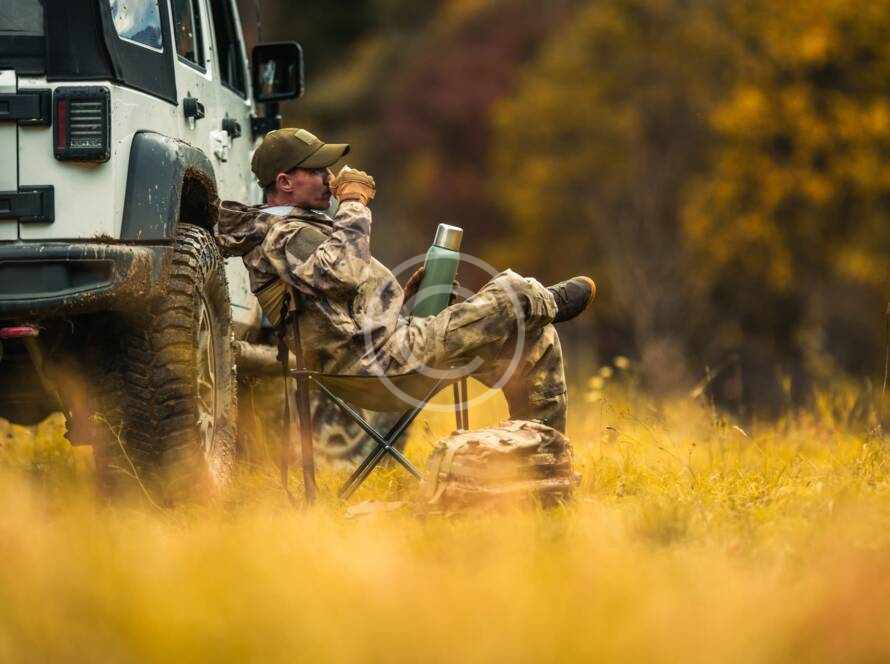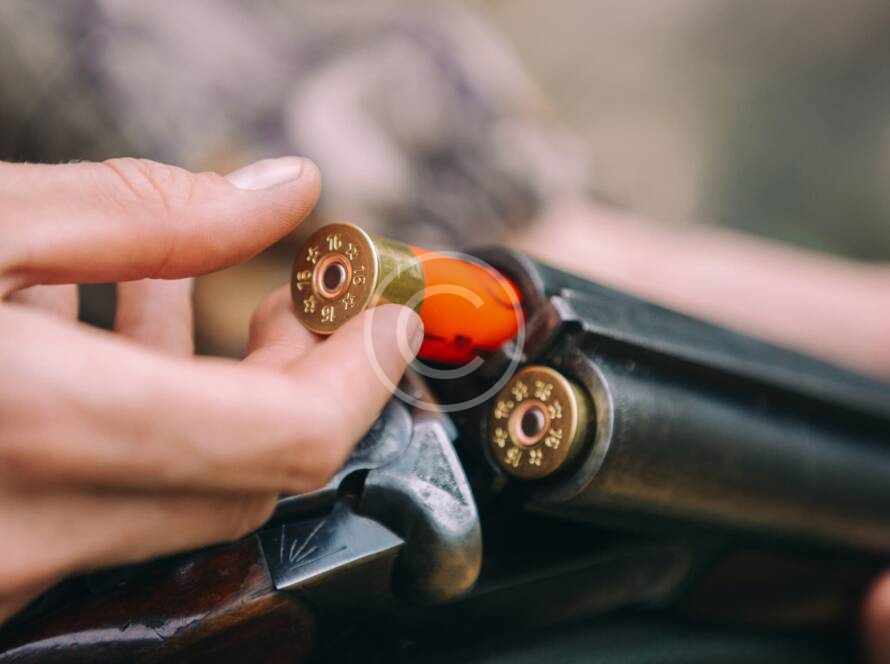


Hunting is one of the oldest and most respected traditions in Pakistan. From the mountains of Khyber Pakhtunkhwa and Gilgit-Baltistan to the plains of Punjab and the deserts of Balochistan, millions of Pakistanis pursue hunting as a sport, a tradition, and a way to connect with nature. But with that privilege comes great responsibility.
At Camp & Caliber Gears Co, Peshawar’s premier importer of premium firearms, optics, ammunition, and hunting gear, we believe that being a great hunter starts with being an ethical one. Ethical hunting is not just about following laws — it is about doing the right thing even when no one is watching.
As the legendary wildlife conservationist Aldo Leopold once said, “Ethical behavior is doing the right thing when no one else is watching — even when doing the wrong thing is legal.”
This guide covers every essential ethical hunting practice that every hunter in Pakistan should know and follow.
What Is Ethical Hunting?
Ethical hunting is a set of principles that guide hunters to respect wildlife, their habitats, and fellow outdoor enthusiasts while pursuing their sport. It goes beyond what the law requires and reflects the personal code of a responsible sportsman. It is about fairness, respect, responsibility, and conservation — values that have defined honorable hunters across generations.
Unethical hunting harms public perception, damages wildlife populations, and threatens the future of hunting itself. Every hunter has a role to play in protecting this tradition for the generations that follow.
1. Always Hunt Legally — Know and Follow the Rules
The most basic foundation of ethical hunting is strict compliance with all applicable laws and regulations. In Pakistan this means:
- Holding a valid firearms licence issued under the Arms Act before carrying or using any firearm
- Obtaining the correct hunting or shooting permit for the relevant province — KPK, Punjab, Sindh, or Balochistan
- Hunting only during the designated season for your target species
- Strictly respecting bag limits — for example, the five birds per day limit for waterfowl hunting in KPK
- Observing all protected area and sanctuary boundaries
- Never hunting in areas where it is prohibited, such as selected zones in Lower and Upper Chitral
Legal compliance is the bare minimum standard for any hunter. Ethical hunters go further — they educate themselves on local wildlife laws and help others understand and follow them too. When in doubt, always consult the KP Wildlife Department or your provincial wildlife authority before heading into the field.
2. Practice Fair Chase — Give the Animal a Sporting Chance
One of the oldest and most foundational principles of ethical hunting is fair chase. Fair chase means the ethical, sportsmanlike pursuit of free-ranging wild game in a manner that does not give the hunter an improper or unfair advantage over the animal.
Ask yourself three questions whenever you are considering a hunting method or technique:
- Does the animal have a reasonable chance of escaping?
- Is this practice respectful to the animal?
- Is this practice in line with established local norms?
If the answer to all three is yes, you are likely within the bounds of fair chase. If the answer is no, reconsider your approach.
Practices that violate fair chase and are considered deeply unethical include:
- Spotting or herding game from aircraft or motor vehicles
- Using illegal electronic devices such as MP3 callers and drones to locate or attract game — these are explicitly banned in KPK
- Hunting animals that are confined, caged, trapped, or artificially placed
- Using lights to blind or freeze game at night (spotlighting)
- Taking game in clearly illegal or unsportsmanlike ways
Remember — just because something is technically legal does not mean it is ethical. A true hunter earns their quarry through skill, patience, and respect for the animal.
3. Ensure a Quick, Clean, and Humane Kill
Perhaps the most important ethical obligation any hunter carries into the field is the commitment to making every shot count. Causing unnecessary suffering to an animal is one of the most serious ethical failures a hunter can make.
To ensure a clean, humane kill every time:
Know your firearm and practice regularly. At Camp & Caliber Gears Co we stock Pakistan’s finest hunting rifles from Remington, Winchester, Browning, and Ruger — but even the finest rifle is only as good as the hunter behind it. Regular practice at the range builds the accuracy and confidence needed for clean shots in the field.
Know the anatomy of your target species. Study the vital zones of the animals you are pursuing — Markhor, Ibex, Urial, Wild Boar, or waterfowl. A well-placed shot to the heart and lung zone drops game quickly and humanely.
Only shoot when you are absolutely certain. Never take a shot in poor lighting where you cannot clearly identify your target and what lies beyond it. Never take a rushed or doubtful shot under pressure. If the shot is not right, wait.
Use the right caliber and ammunition for the job. For mountain game like Markhor and Ibex, we recommend premium hunting ammunition in .308 Winchester, .30-06 Springfield, 7mm Remington Magnum, or .300 Win Mag from brands like Federal Premium, Hornady, and Winchester. For waterfowl, use appropriate steel shot in the correct gauge for the species.
Use quality optics to be certain of your target. Never use your rifle scope to identify a target — this means pointing a loaded firearm at something you have not confirmed. Always use binoculars or a spotting scope for target identification. We stock Vortex Optics, Leupold, Zeiss, and Bushnell binoculars and spotting scopes specifically for this purpose.
4. Always Track and Recover Wounded Animals
Even the most experienced hunters occasionally make imperfect shots. When this happens, the ethical hunter’s responsibility does not end — it intensifies. You are obligated to make every possible effort to find and recover a wounded animal.
Here is how to handle a wounded animal recovery responsibly:
- Note the animal’s exact reaction at the shot — did it flinch, stagger, bolt, or drop? This gives valuable clues about wound location
- Mark the exact spot where the animal was standing when shot
- Wait at least 20 to 30 minutes before beginning to follow — rushing a wounded animal pushes it further and makes recovery harder
- Follow the blood trail carefully, marking each sign as you go
- Bright red frothy blood indicates a lung hit, dark red blood suggests a liver or muscle hit, and greenish material indicates a gut shot requiring more patience before tracking
- If the trail disappears, make slow expanding circles from the last sign
- Never give up on a wounded animal — an ethical hunter may spend hours or even a full day on a recovery if that is what it takes
Recovering wounded animals is not just ethical — it is a matter of basic respect for the life you have taken.
5. Respect Your Harvest — Use the Whole Animal
An ethical hunter does not waste the animal they harvest. Using as much of the animal as possible is a time-honored practice that honors the life taken and reflects the deeper values of gratitude and humility that should define every hunt.
- Take meat care seriously — field dress the animal promptly to preserve meat quality, especially in Pakistan’s warm lowland terrain
- Use the meat, hide, and other parts wherever possible
- Share meat with family, friends, or community members — this is a deeply rooted tradition in Pakistani culture and a hallmark of a responsible hunter
- Do not take more than you need or can legally and practically use
- Properly dispose of any remains in a way that does not create health hazards or attract unwanted scavenging animals near settlements
Wasting game is not just unethical — in many jurisdictions around the world it is also illegal. Hunt only what you intend to use.
6. Respect the Land — Leave No Trace
Every hunter is a guest in the wilderness. Treating the land with respect is a core part of ethical hunting and ensures that future generations of Pakistani hunters will have the same pristine environments to enjoy.
- Pack out everything you bring in — spent cartridge cases, food wrappers, packaging, and all other waste
- Never damage vegetation, fences, crops, or property
- Always seek permission before hunting on private land and thank the landowner afterward
- Leave gates exactly as you found them
- Keep campfires in designated areas or use a portable fire pit
- Do not disturb non-target species or their habitats
- Avoid driving vehicles off established tracks in sensitive mountain terrain
When hunting in KPK’s mountain regions, the fragile alpine environment demands extra care. Stay on established paths and minimize disturbance to the terrain.
7. Prioritize Firearm Safety at All Times
Safe firearm handling is inseparable from ethical hunting. An unsafe hunter endangers themselves, fellow hunters, local communities, and wildlife.
The fundamental rules of firearm safety every ethical hunter must follow:
- Always treat every firearm as if it is loaded
- Never point a firearm at anything you do not intend to shoot
- Keep your finger off the trigger until you are ready to shoot
- Always be certain of your target and what lies beyond it before pulling the trigger
- Use appropriate safety gear including ear and eye protection during training and range sessions
- Store firearms and ammunition safely and securely, especially in households with children
- Never handle firearms when your judgment is impaired
At Camp & Caliber Gears Co we offer basic indoor firearms training in Peshawar covering safe gun handling, shooting stance, trigger discipline, and basic marksmanship. We strongly encourage all hunters — new and experienced — to attend regular training sessions to keep their skills and safety habits sharp.
8. Know Your Firearm and Your Limits
An ethical hunter is an honest hunter. Knowing your personal shooting limits and staying within them is one of the most important decisions you will make in the field.
- Practice regularly at the range before hunting season to know your maximum effective range
- Never attempt shots beyond the distance at which you can consistently place rounds in the vital zone
- In Pakistan’s mountain terrain, high-altitude conditions, thin air, and unpredictable wind affect bullet trajectory — practice in conditions similar to those you will hunt in
- Use a Vortex, Leupold, or Nightforce riflescope calibrated and zeroed for your specific load and hunting conditions
- Use a Caldwell or UTG bipod for stable shooting positions in the field
Knowing when not to shoot is just as important as knowing how to shoot. Patience is the mark of a skilled and ethical hunter.
9. Respect Fellow Hunters, Landowners, and the Public
Ethical hunting extends beyond the relationship between hunter and prey. It includes respectful behavior toward fellow hunters, landowners, local communities, and the general public.
- Respect the boundaries of other hunters in the field and do not encroach on their area
- Approach populated areas quietly and discreetly — avoid unnecessary noise and disturbance
- Do not display harvested animals in ways that non-hunters would find disrespectful or offensive
- Build positive relationships with landowners — a simple thank you and courteous behavior go a long way
- When you encounter non-hunters in the field, represent the hunting community positively and educate them respectfully about the role of ethical hunting in conservation and wildlife management
- Mentor new hunters and pass down the values of ethical hunting to the next generation
The reputation of every hunter in Pakistan reflects on the entire hunting community. Your behavior in the field either strengthens or weakens the future of this beloved tradition.
10. Report Poaching and Illegal Hunting
Poaching and illegal hunting are among the greatest threats to Pakistan’s wildlife populations and to the future of legal, ethical hunting. Every ethical hunter has a responsibility to report illegal activity they witness in the field.
Poaching involves the illegal and indiscriminate killing of animals outside the bounds of legal seasons, bag limits, protected species rules, and licensing requirements. It endangers wildlife populations, damages ecosystems, and gives all hunters a bad name.
If you witness illegal hunting activity in KPK, report it to the KP Wildlife Department immediately. Your report could protect Pakistan’s most iconic species — including the Markhor, Himalayan Ibex, and Snow Leopard — for generations to come.
11. Contribute to Wildlife Conservation
Ethical hunters are among the most important contributors to wildlife conservation in Pakistan. By hunting legally and responsibly, you directly support conservation programs that protect the very animals you pursue.
Pakistan’s community-based trophy hunting programs for Markhor and Ibex in KPK and Gilgit-Baltistan have been internationally recognized as successful conservation models. Revenue from controlled, legal trophy hunting funds local conservation efforts, anti-poaching patrols, and wildlife habitat protection.
Beyond the hunt itself, consider:
- Supporting local and national wildlife conservation organizations
- Participating in habitat restoration and wildlife monitoring programs
- Educating young hunters and community members about conservation values
- Practicing sustainable hunting that never takes more than the population can sustain
Build Your Ethical Hunting Foundation with Camp & Caliber Gears Co
Ethical hunting begins with proper training, the right equipment, and a commitment to responsible practice. At Camp & Caliber Gears Co in Peshawar we are here to support every aspect of your hunting journey:
Training — Our basic indoor firearms training covers safe gun handling, shooting stance, trigger discipline, and marksmanship fundamentals. Book your session before heading into the field.
Rifles — Remington 700, Winchester Model 70, Browning X-Bolt, Ruger American Predator, and more for every hunting application in Pakistan.
Optics — Vortex Optics, Leupold, Nightforce, Zeiss, Bushnell, and Trijicon for spotting, identification, and precision shooting.
Ammunition — Premium hunting loads from Federal Premium, Hornady, Winchester, and Remington in all major calibers.
Accessories — Magpul magazines, Streamlight and SureFire tactical lights, Caldwell bipods and shooting rests, and Real Avid gun cleaning kits.
Final Thoughts
Ethical hunting is not a burden — it is a privilege and a responsibility that every hunter in Pakistan should embrace with pride. When you hunt ethically you honor the animal, protect the ecosystem, respect the law, and safeguard the future of hunting for every generation that follows.
At Camp & Caliber Gears Co we are proud to serve Pakistan’s hunting community with the finest imported firearms, optics, and gear available. Hunt legally. Hunt safely. Hunt ethically.